7 OT Security Disasters That Cost Companies Millions

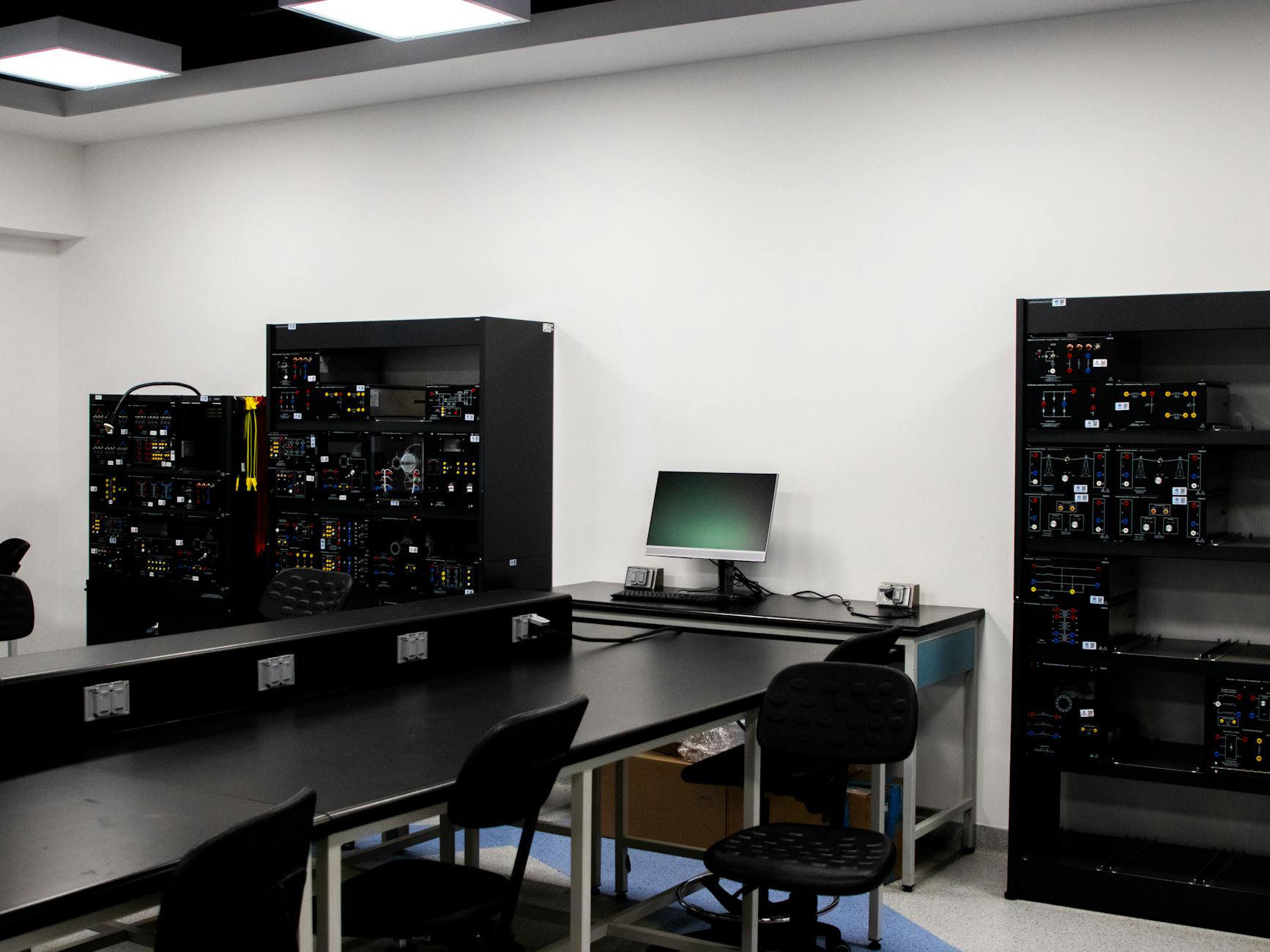
Operational Technology (OT) security has become one of the most critical challenges facing industrial organizations today. Unlike traditional IT systems, OT environments control physical processes - from manufacturing lines to power grids - where security failures can result in catastrophic financial losses, safety incidents, and operational disruptions.
In 2026, the convergence of OT and IT systems has created unprecedented vulnerabilities. Let's examine seven major OT security disasters that cost companies millions, and more importantly, what we can learn from them to protect our own operations.
1. The Colonial Pipeline Ransomware Attack - $4.4 Million Ransom Plus Massive Disruption
In May 2021, the Colonial Pipeline Company fell victim to a ransomware attack that shut down the largest fuel pipeline in the United States for six days. While the attack initially targeted IT systems, the company proactively shut down OT operations as a precautionary measure.
Financial Impact:
- $4.4 million ransom payment
- Estimated $90 million in lost revenue during shutdown
- Fuel price spikes across the Eastern US
- Long-term reputation damage
Key Lesson: Even when OT systems aren't directly compromised, the interconnected nature of modern industrial operations means IT security failures can trigger operational shutdowns. Implementing network segmentation and having robust incident response plans for both IT and OT environments is crucial.
2. Norsk Hydro Aluminum Production Halt - $75 Million Loss
In March 2019, Norwegian aluminum producer Norsk Hydro was hit by the LockerGoga ransomware, forcing the company to switch several plants to manual operation and halt production at others.
Attack Timeline and Impact
The malware spread rapidly through the company's network, affecting both IT and OT systems across 40 countries. Production capacity was reduced to 50% for weeks.
Total Estimated Losses: $75 million in the first quarter alone, including lost production, remediation costs, and emergency manual operations.
Key Lesson: Manual backup procedures are essential, but they're not a complete solution. Organizations need layered security controls that can isolate OT systems during an attack while maintaining safe operations.
3. Ukrainian Power Grid Attacks - Nation-State Precision
The 2015 and 2016 cyberattacks on Ukraine's power grid demonstrated how sophisticated threat actors can directly manipulate OT systems to cause widespread blackouts affecting hundreds of thousands of people.
Attack Sophistication
Attackers used spear-phishing emails to gain initial access, then spent months mapping the network before deploying custom malware (BlackEnergy and Industroyer) designed specifically for industrial control systems.
Economic Impact: While exact figures aren't public, the economic disruption from widespread power outages, including business closures and emergency response costs, likely exceeded hundreds of millions of dollars.
Key Lesson: Nation-state actors are specifically targeting OT environments with custom-built malware. Organizations need threat intelligence capabilities and should assume advanced persistent threats are actively targeting their infrastructure.
4. TSMC Fab Shutdown - $255 Million in Three Days
In August 2018, Taiwan Semiconductor Manufacturing Company (TSMC) experienced what they called a "computer virus" incident that shut down several fabrication facilities.
| Metric | Impact |
|---|---|
| Production Halt Duration | 3 days |
| Revenue Loss | $255 million |
| Recovery Time | 1 week to full capacity |
The incident was caused by a software installation procedure that wasn't properly tested in the OT environment, leading to widespread system infections during a new tool installation.
Key Lesson: Even non-malicious software issues can cause massive OT disruptions. Change management procedures for OT environments must be more rigorous than traditional IT, with comprehensive testing and rollback capabilities.
5. Maersk NotPetya Global Disruption - $300 Million Loss
While primarily an IT attack, the 2017 NotPetya malware significantly impacted Maersk's operational technology systems, shutting down port terminals and disrupting global shipping operations for weeks.
Operational Impact
- 76 port terminals affected globally
- Complete IT and OT system rebuilds required
- Manual operations for weeks
- Customer data and booking systems destroyed
Key Lesson: Modern shipping and logistics operations rely heavily on integrated IT/OT systems. Air-gapped OT networks are often a myth - understanding and securing these connections is critical.
6. Honda Production Line Cyberattack - Multi-Day Global Shutdown
In June 2020, Honda confirmed a cyberattack that disrupted operations at multiple manufacturing plants worldwide, including facilities in Ohio, Turkey, Italy, and Japan.
Attack Characteristics
The attack, attributed to the SNAKE ransomware, specifically targeted industrial control systems and forced Honda to halt production lines to prevent potential damage to manufacturing equipment.
Estimated Impact: While Honda didn't disclose exact figures, industry analysts estimated losses in the tens of millions due to production delays and recovery costs.
Key Lesson: Global manufacturers are particularly vulnerable because attacks can cascade across international operations. Incident response plans must account for coordinating responses across multiple countries and regulatory environments.
7. Water Treatment Plant Chemical Dosing Attack - Near Miss Disaster
In February 2021, a water treatment plant in Oldsmar, Florida, experienced a cyberattack where an unauthorized user remotely accessed the plant's control system and increased sodium hydroxide levels to dangerous concentrations.
What Made This Attack Terrifying
The attacker gained access through remote desktop software (TeamViewer) and directly manipulated chemical dosing systems. Only quick intervention by an operator who noticed the unusual activity prevented a potential public health disaster.
Potential Impact: While financial losses were minimal due to quick detection, the potential for mass casualties if the contaminated water had reached consumers makes this one of the most serious OT security incidents on record.
Key Lesson: Remote access to OT systems presents extreme risks. Critical infrastructure operators must implement multi-factor authentication, network segmentation, and continuous monitoring of all remote connections.
Key Takeaways for OT Security
Essential Security Measures
- Implement network segmentation between IT and OT
- Deploy OT-specific security monitoring tools
- Develop comprehensive incident response plans
- Regular security assessments of OT environments
Compliance Considerations
- NERC CIP for electric utilities
- ISA/IEC 62443 industrial security standards
- NIST Cybersecurity Framework implementation
- Industry-specific regulations (FDA, EPA, etc.)
Building Resilient OT Security Programs
These disasters share common themes: inadequate network segmentation, insufficient monitoring, weak remote access controls, and lack of OT-specific incident response procedures. The financial and operational impacts demonstrate why OT security can no longer be treated as an afterthought.
Modern OT security requires a comprehensive approach that includes risk assessment, continuous monitoring, regular testing, and compliance with industry standards. Organizations need visibility into their OT environments, understanding of their attack surfaces, and proven procedures for maintaining operations during security incidents.
Ready to strengthen your OT security compliance program? Meewco's platform helps organizations implement and maintain comprehensive security frameworks across both IT and OT environments.
Schedule a Demo →Related Articles



Ready to simplify your compliance?
Meewco helps you manage OT Security and other frameworks in one unified platform.
Request a Demo